Bauhaus – the German design school that transformed the worlds of interior design, architecture, and graphic design.
Bauhaus is one of the most famous and influential design schools in history. It was founded in 1919 in Weimar, Germany, under the leadership of architect Walter Gropius. The Bauhaus school aimed to unite art, craftsmanship, and technology in order to create a new approach to design that was functional, aesthetically refined, and suitable for mass production.
The history of the Bauhaus school began with bold ideas and ambitions. Its founder, Walter Gropius, wanted to create a new school of art and design that would encourage creativity, experimentation, and interdisciplinary thinking. The name “Bauhaus” comes from the German words “bau” (to build) and “haus” (house), symbolizing the collaboration between architecture and other artistic disciplines.
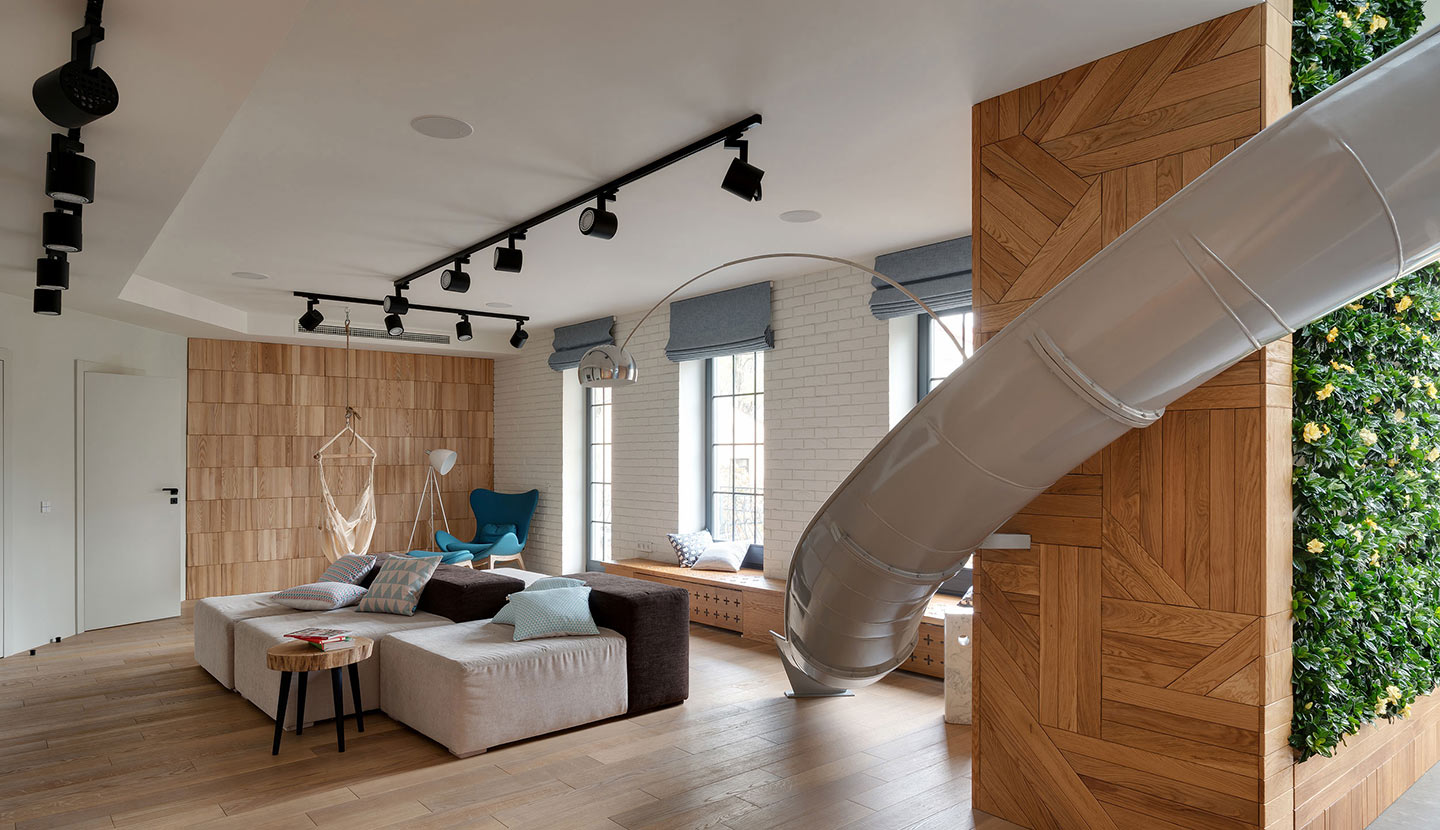
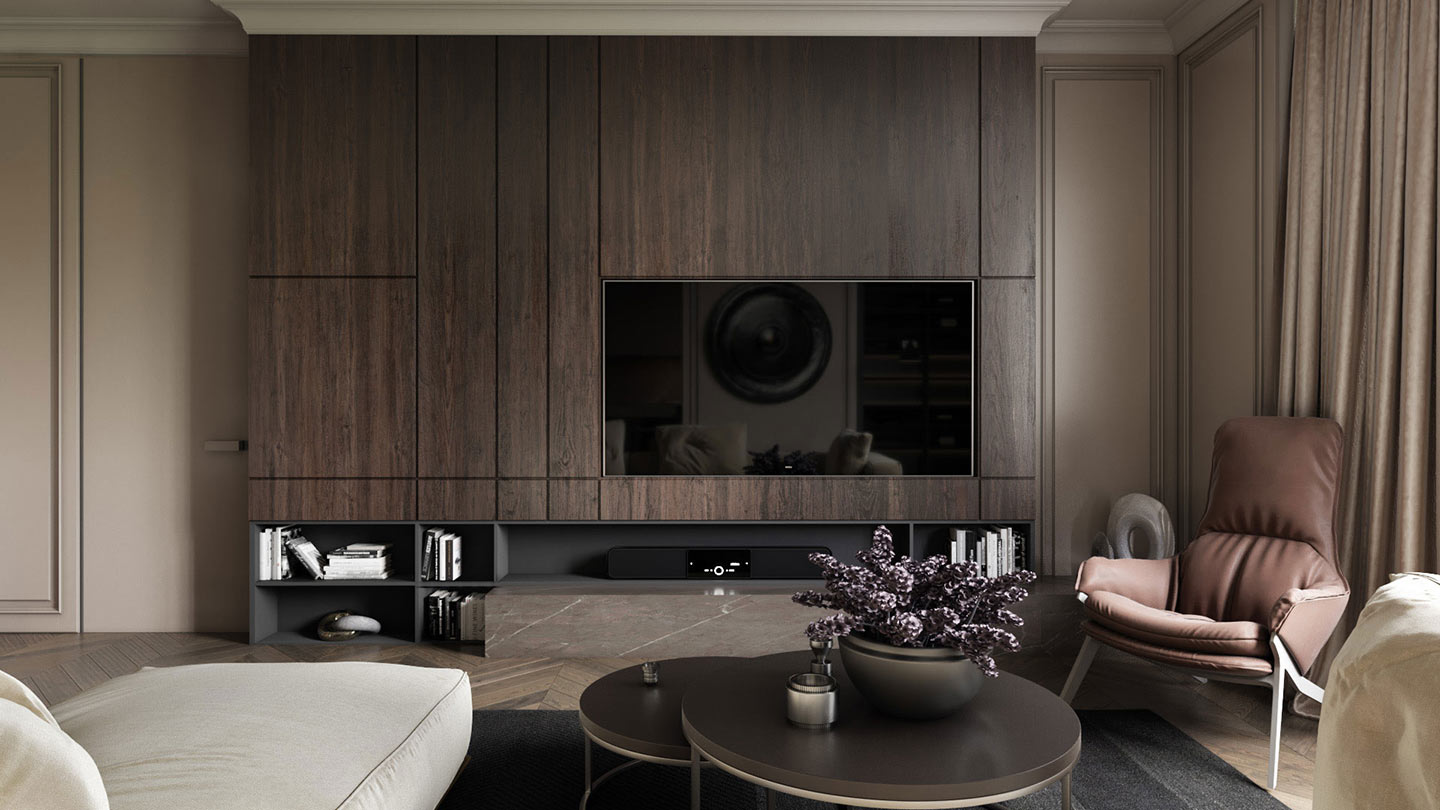
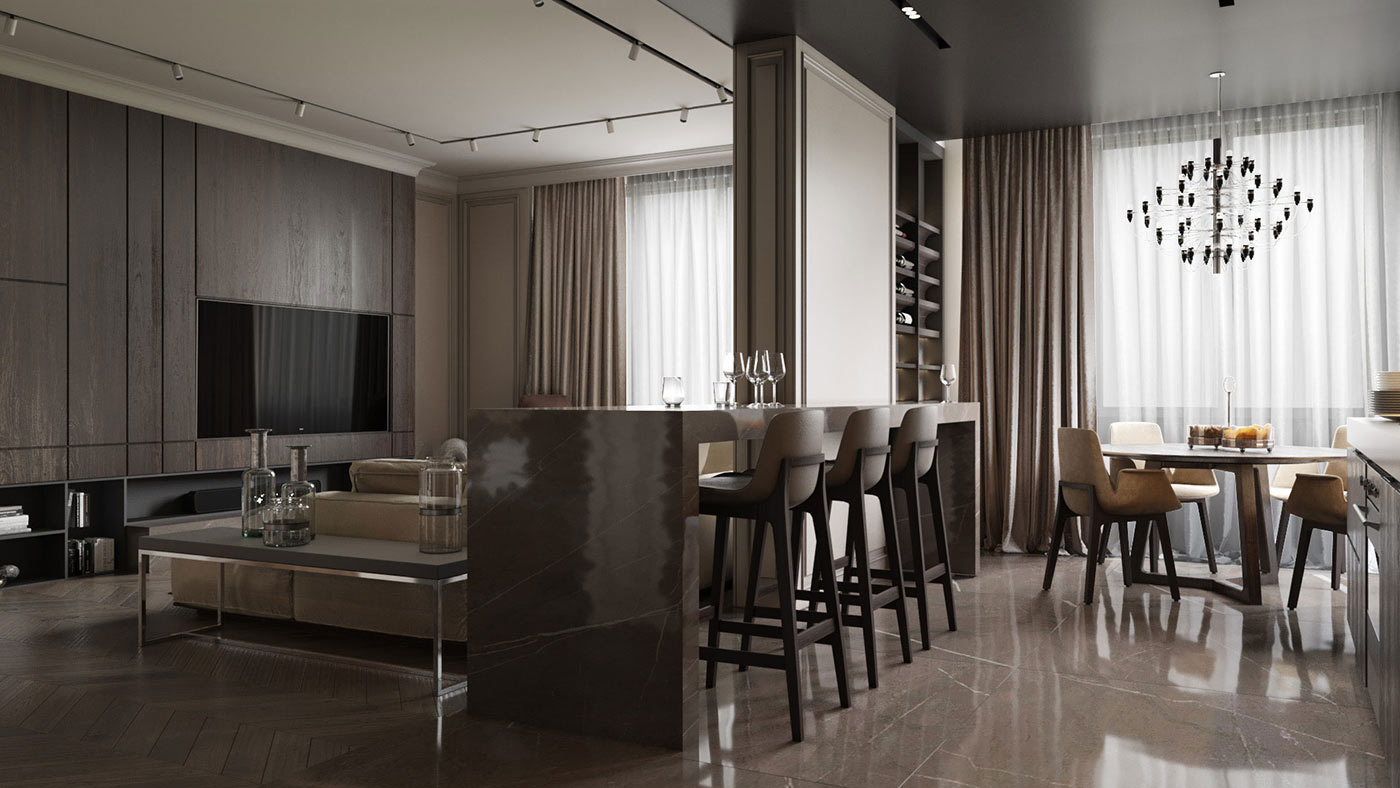
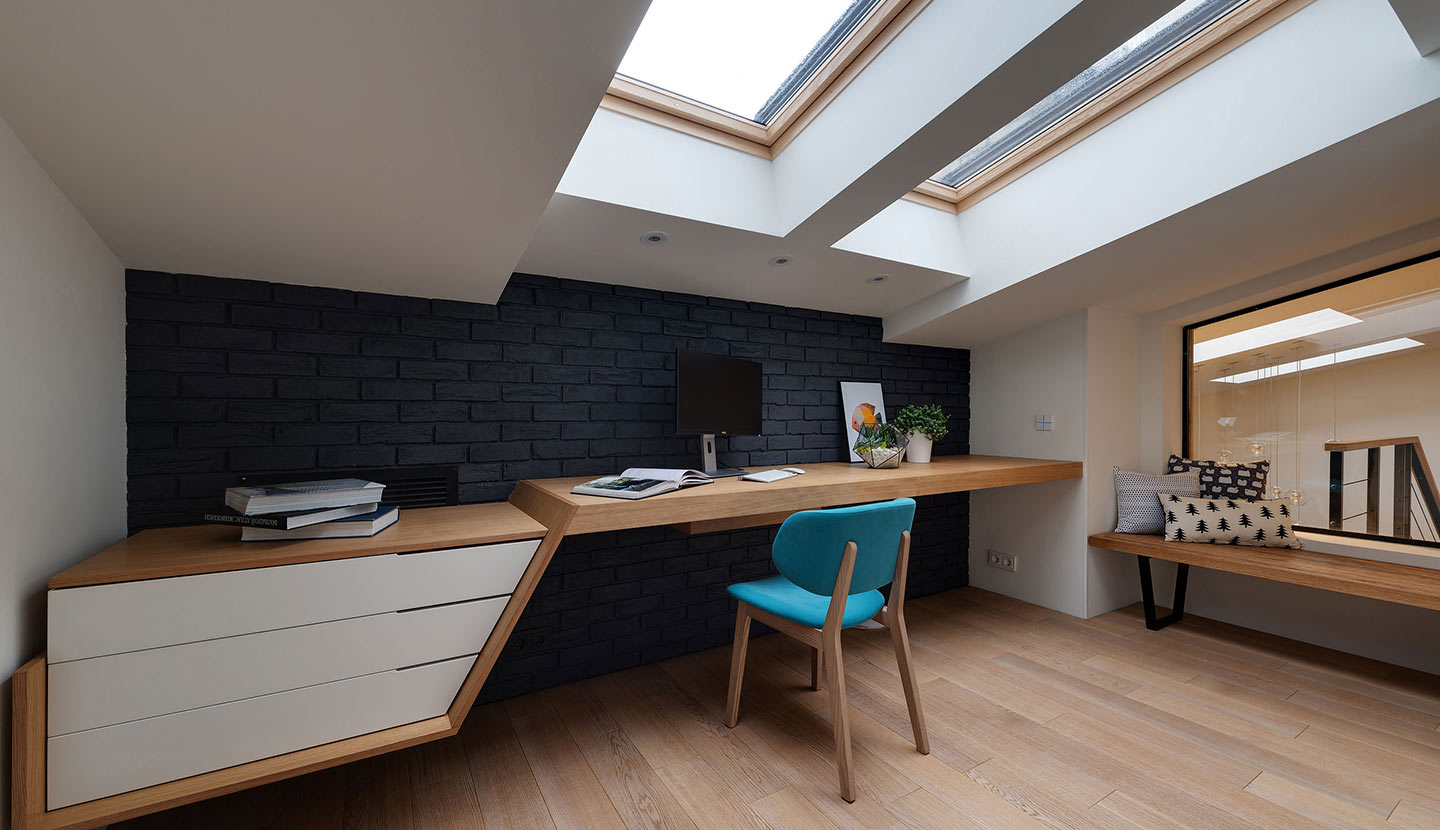
The Bauhaus school was known for its innovative approach to design. It promoted minimalism, functionality, and strong geometric relationships between forms. Bauhaus designers created simple, clean interiors using modern materials and technologies. They also experimented with color and texture to create harmonious and visually appealing spaces.
One of the most important Bauhaus principles was “form follows function.” This means that design should be based primarily on functionality and practical purpose. The Bauhaus school encouraged designers to create products that could be adapted for mass production, making high-quality and aesthetically pleasing design accessible to a broader public.
The Bauhaus school also had a major influence on interior design through its educational programs. Students were taught design principles, materials, and technologies that allowed them to create innovative and functional interiors. Bauhaus encouraged students to think critically and experiment in order to push the boundaries of design.
The Bauhaus approach to design spread around the world and had a major influence on modern interior design. Its principles and ideas, such as minimalism, functionality, and adaptation for mass production, remain relevant and widely used in design today. The Bauhaus school left a lasting mark on the design world and continues to be a source of inspiration and innovation in interior design.
Although the Bauhaus school operated only until the early 1930s, it had an enormous impact on the world of design. It opened the door to new ideas, experimentation, and creativity. The Bauhaus approach introduced a new vision of how design could influence everyday life and the spaces around us. The school helped lay the foundations for modern interior design, which continues to be valued and used around the world today.