


Wes Anderson-Inspired Interior Style. Real or Illustrated? Bring Cinematic Charm Into Your Home.
Wes Anderson is one of the most recognizable directors, captivating audiences with his distinctive style. He has created a remarkable collection of films. Masterpieces such as “The Grand Budapest Hotel” and “Moonrise Kingdom” are admired not only for their engaging storylines, but also for their visually stunning production design.
The Wes Anderson Aesthetic
The unique color palettes, symmetrical compositions, and carefully curated interiors in his films have inspired a new wave of interior design. In this article, we explore Wes Anderson’s interior style, how it has influenced interior design, and the real story behind the production design of one of his films.
Color Palette
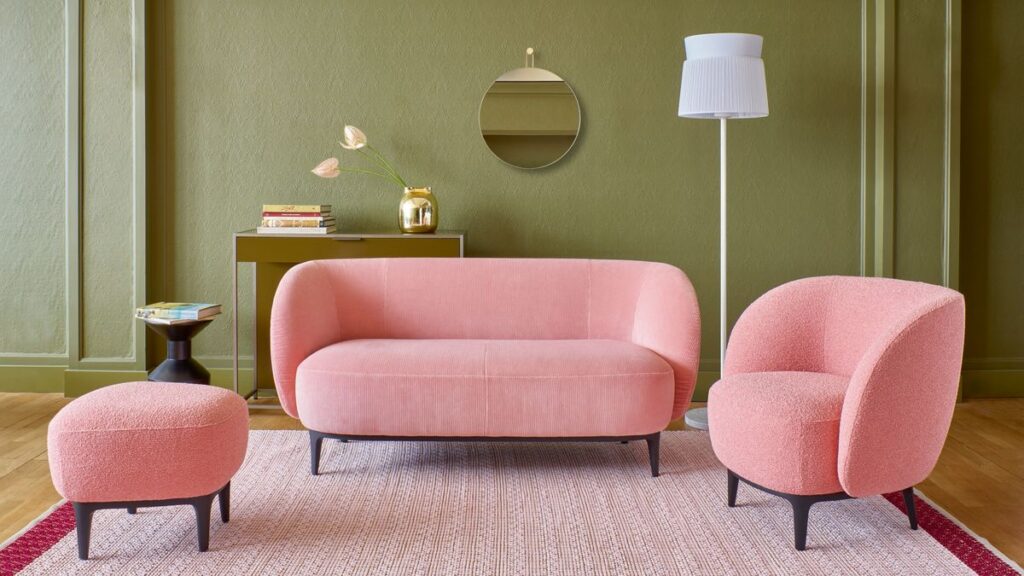
One of the most striking elements of Wes Anderson’s films is his bold and meticulously selected color palettes. From soft pastels to vivid primary colors, Anderson’s films create a visual blend of harmonious and contrasting shades. This aesthetic has inspired interior designers to experiment with unconventional color combinations and create spaces that evoke nostalgia and playfulness.
Symmetry and Composition
Anderson’s meticulous attention to detail can be seen in the symmetrical compositions of his films. This sense of precision and balance is also reflected in the interiors, where every object and element is carefully placed to create a visually appealing and harmonious environment.
Eclectic Interiors
Anderson’s films are known for their unconventional and eclectic interiors, filled with distinctive furniture, vintage finds, and unexpected details. These playful spaces have inspired interior designers to embrace individuality and incorporate unconventional elements into their own projects. Retro furniture, vintage wall finishes, a variety of wallpaper and patterns — the Wes Anderson aesthetic encourages designers to think creatively and create spaces that tell a story.
The Production Design of “The Grand Budapest Hotel”
“The Grand Budapest Hotel” is a perfect example of how much attention Wes Anderson gives to even the smallest details and how effectively he creates an immersive and distinctive world. Production designer Adam Stockhausen played a major role in bringing Anderson’s vision to life.
Creating “The Grand Budapest Hotel” required careful planning of the entire concept and the development of an authentic environment that reflected the film’s nostalgic and playful atmosphere.
Carefully Selected Colors
The color palette of “The Grand Budapest Hotel” is a key element of its distinctive visual style. Stockhausen worked closely with Anderson to create a palette that evokes a sense of adventure and luxury. Pastel pinks, rich purples, and deep brown tones used throughout the hotel interiors create warmth and elegance while transporting viewers to another era.
Attention to Detail
Stockhausen and his team paid exceptional attention to detail, ensuring that every prop and set element in “The Grand Budapest Hotel” felt authentic and aligned with Anderson’s vision. A consistent design language, carefully selected furniture and decor, and attention to the smallest details helped create a cohesive and visually striking environment.
The Legacy of “The Grand Budapest Hotel”
“The Grand Budapest Hotel” has had a lasting impact on the world of interior design. Its playful and meticulously designed sets inspired designers to embrace bold colors, eclectic furniture, and a greater focus on detail. The film’s aesthetic has become closely associated with Anderson’s signature style and continues to influence interior design trends today.
To bring the Wes Anderson aesthetic into your own space, start with a color palette that reflects the playful and nostalgic atmosphere of his films. Experiment with pastel shades, bold primary colors, and unexpected color combinations. Incorporate patterns, textiles, and art to create visual interest and a sense of playfulness.
Symmetry and Composition
Embrace symmetry and balance in your space by arranging furniture and decor symmetrically. Create carefully composed scenes and select details that highlight unique objects and tell a story. Consider incorporating symmetrical architectural elements, such as matching windows or doors, to create a sense of order and visual harmony.
Embrace the eclectic nature of Wes Anderson interiors by incorporating unique and unexpected finds into your space. Look for vintage furniture, quirky accessories, and distinctive artwork that add character and charm. Mix different styles and eras to create a visually interesting and personal environment.
Final Thoughts
Anderson’s films have inspired designers to create spaces filled with playfulness, nostalgia, and harmony. By incorporating elements of the Wes Anderson aesthetic into your own space, you can bring in the cinematic charm of his films and create an environment that tells a unique story. Experiment with color and let Wes Anderson’s distinctive aesthetic inspire your interior design journey.